
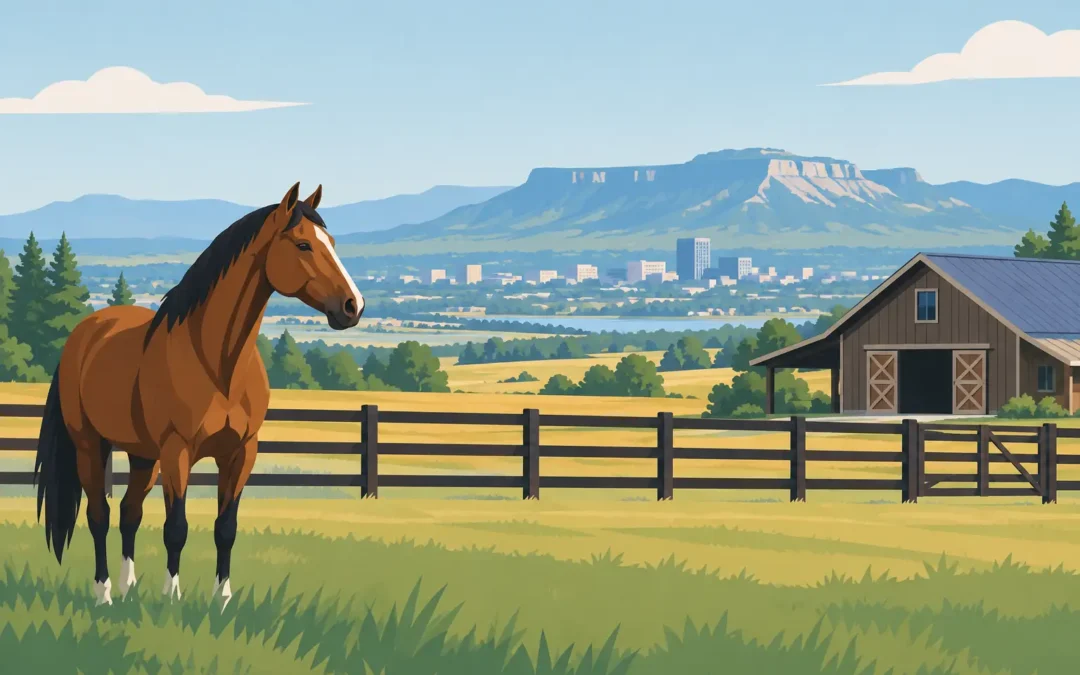
A horse property can look perfect from the road: open pasture, a tidy barn, mountain views, and enough room to ride. But a beautiful setting does not automatically make a workable equine setup. This horse property buying guide helps Billings-area buyers look past curb appeal and focus on the land, facilities, access, and long-term costs that shape everyday life with horses.
Buying a horse property is part home purchase, part land evaluation, and part livestock-management decision. The right property depends on your number of horses, riding goals, budget, and willingness to make improvements. A place that works well for two recreational horses may not support a boarding operation, a breeding program, or frequent trailer traffic.
Start With How You Will Use the Property
Before comparing acreage or barn styles, define what the property needs to do for you. Will your horses live there full time? Do you need an arena, round pen, hay storage, tack space, or room for a horse trailer? Are you hoping to ride directly from the property, or is proximity to an arena, trails, lessons, or shows more valuable?
Your daily routine matters just as much. Consider who will feed, haul manure, manage repairs, and handle chores during a Montana winter. A modest property with reliable water, a practical barn, and an easy layout can be a better fit than a larger parcel that requires extensive upgrades.
Also think ahead. If you expect to add horses, build an indoor arena, keep equipment, or operate a small business from the property, make sure the land and local regulations can support those plans. Buying for the next five to 10 years can prevent an expensive move sooner than expected.
Evaluate Acreage, Pasture, and Soil
Acreage is often the first number buyers notice, but usable acreage matters more than the total shown on a listing. Steep ground, drainage areas, shared access routes, rock outcroppings, and building sites can reduce the portion available for horses. Walk the property, review the boundaries, and identify where you could realistically place turnout areas, sacrifice lots, hay storage, and riding space.
There is no single acreage formula for every horse owner. Stocking capacity depends on pasture quality, irrigation, soil, feeding practices, climate, and how carefully the land is managed. In the Billings area, many owners feed hay for a significant part of the year, so acreage alone should not be treated as a promise of year-round grazing.
Look closely at drainage. Muddy gates, low spots, and standing water can create hoof-health issues and make winter chores frustrating. On the other hand, very dry or sandy ground may need thoughtful footing management to control dust and maintain pasture. Ask where runoff goes after heavy rain or snowmelt, and inspect the property during a season that reveals its real conditions when possible.
Fencing Should Be Safe, Not Just Present
Fence condition can be one of the most immediate expenses after closing. Check for loose posts, broken rails, sagging wire, sharp edges, and gates that do not latch securely. A fence may define a boundary without being safe for horses.
Consider the type and layout of fencing, too. Cross-fencing can make rotational grazing and turnout management easier. Gates should be wide enough for equipment and positioned so you can move hay, manure, and trailers without creating bottlenecks. If fencing is older, budget for repairs rather than assuming it will last for years.
Water Is a Daily Need, Not a Detail
Reliable water is essential. Confirm the property’s water source and understand how it serves both the home and livestock areas. A private well should be evaluated for capacity and water quality. If the property includes irrigation rights, shares a ditch, or relies on another water arrangement, ask how it operates, what costs apply, and whether there are seasonal restrictions or maintenance obligations.
Walk to each waterer, hydrant, and trough location. A water source that is convenient in July can become difficult in January if lines freeze, access is icy, or electricity is required for heating. Ask the seller what winter watering looks like and whether there have been issues with frozen lines, low pressure, or dry wells.
For larger properties, the distance between water, shelter, and turnout areas can affect labor and horse health. Horses should not have to travel over unsafe ground to reach water, and you should not have to haul hoses through deep snow every morning.
Inspect the Barn and Supporting Structures
A barn can be an asset, but only if it is safe, functional, and suited to your needs. Look beyond the number of stalls. Check aisle width, ventilation, lighting, flooring, roof condition, electrical service, drainage, door clearance, and fire safety. Smell for persistent ammonia and look for water damage, loose boards, exposed wiring, or signs of pests.
Stalls should be appropriately sized, well ventilated, and easy to clean. A barn with a great appearance but poor airflow can be uncomfortable for horses and difficult to maintain. Consider where feed, bedding, tack, and medications will be stored. Hay storage deserves special attention because it affects fire risk, convenience, and how much hay you can buy at one time.
Do not overlook practical outbuildings. A covered equipment area, secure tack room, well-designed wash rack, and sheltered space for a tractor can add meaningful value. If an arena is present, inspect the footing, drainage, fencing, lighting, and condition of the base. Arena repairs can be substantial, particularly when the surface looks good but the underlying drainage has failed.
Horse Property Buying Guide: Check Access and Location
Location affects more than the commute into Billings. Consider road conditions, winter maintenance, emergency access, and the route a large hay truck or horse trailer must take to reach the property. Narrow roads, tight turns, weak bridges, and long unplowed driveways can turn routine deliveries into a challenge.
Test the driveway yourself with your expected vehicle needs in mind. If you plan to pull a gooseneck or stock trailer, determine whether there is enough room to enter, turn around, park, and leave safely. Ask whether the road is public or private and who is responsible for maintenance. Shared private roads may involve agreements, fees, or seasonal work that should be understood before you buy.
Nearby land uses matter as well. A peaceful rural setting may be close to a gravel operation, busy highway, shooting range, or future development area. Look at surrounding parcels, talk with neighbors, and ask about dust, traffic, livestock, and noise patterns. For some buyers, quick access to veterinary care, feed stores, farriers, and riding facilities will outweigh the appeal of more remote acreage.
Understand Zoning, Covenants, and Permits
Never assume horses, barns, home businesses, boarding, or additional dwellings are allowed simply because a property has acreage. County and city rules, subdivision covenants, homeowners association requirements, easements, and deed restrictions can all affect how you use the land.
Request the documents early and read them carefully. You need to know whether there are limits on the number of animals, types of structures, fencing, outdoor storage, signage, trailer parking, or commercial activity. If you intend to board horses, offer training, host clinics, or sell products, investigate the rules and insurance requirements before making an offer.
Easements deserve close attention. Utility, access, drainage, and pipeline easements can restrict where you build fences, barns, arenas, or other improvements. A survey and title review help clarify the boundaries and rights that come with the property.
Budget for More Than the Purchase Price
Horse properties often have operating costs that differ from a typical residential home. Build a realistic budget for feed, bedding, fencing repairs, manure management, equipment, utility bills, insurance, and routine maintenance. If the home and barn need upgrades, prioritize health, safety, water, drainage, and shelter before cosmetic projects.
Financing can also be more complex when acreage, agricultural use, outbuildings, or commercial activity are involved. Some lenders have specific acreage limits or property requirements. Speak with a lender early, explain the property type you are considering, and keep room in your budget for inspections and repairs.
A thorough inspection plan may include the house, well, septic system, barn, electrical systems, roof, fencing, and any specialized structures. A general home inspection is valuable, but it may not address every equine feature. Bring in the right professionals when a concern could become a major cost.
Make the Offer With Clear Eyes
A good offer reflects both the property’s potential and its current condition. If the barn needs a roof, the well has uncertain production, or fencing needs replacement, those facts belong in your pricing and negotiation strategy. The goal is not to find a flawless horse property. It is to understand exactly what you are buying and whether the needed work fits your budget and timeline.
A local REALTOR® who understands land, rural homes, and horse-use considerations can help you ask better questions before you commit. The Real Estate Hub can help Billings-area buyers compare properties, review practical concerns, and move forward with a plan that fits both their home and horse needs.
The best horse property is the one that supports your everyday routine safely and sustainably. Take the time to walk the land, test the access, inspect the water systems, and picture a cold February morning as clearly as a sunny summer ride. That extra care can turn a promising piece of Montana ground into a place you will be glad to call home.