
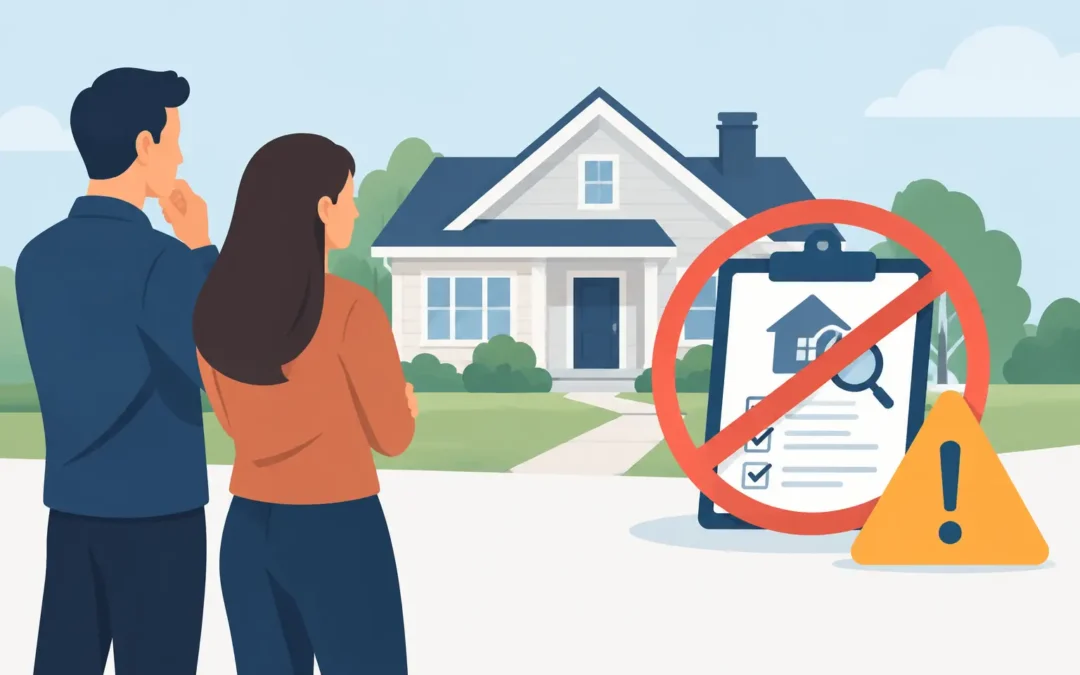
A well-priced Billings home can attract multiple offers quickly, especially when it is in a desirable neighborhood and ready for move-in day. That pressure leads many shoppers to ask, can buyers waive inspections to make an offer stand out? They can, but the better question is whether the property, your finances, and the terms of the sale make that risk reasonable.
An inspection contingency is more than a negotiating tool. It is often a buyer’s best opportunity to understand the condition of a home before closing. Waiving it may strengthen an offer, but it also means accepting more uncertainty about what is behind the walls, beneath the roof, or waiting in the mechanical room.
What waiving an inspection actually means
A home inspection contingency generally gives a buyer time to hire an inspector, review the findings, and decide how to proceed. Depending on the contract terms, the buyer may be able to request repairs, negotiate a credit, accept the home as-is, or terminate the contract within the contingency period.
When a buyer waives inspections entirely, they may give up the right to conduct a professional inspection after going under contract and the ability to use inspection findings as a reason to renegotiate or cancel. That does not mean a seller is free to conceal known issues. Sellers still have disclosure obligations, but disclosures are not a substitute for an independent evaluation of the property.
There is also a middle ground that is often overlooked. A buyer may retain the right to inspect while agreeing not to ask the seller for repairs. Or they may limit their right to terminate to major defects above an agreed dollar amount. The right approach depends on the home, the competition, and how much financial cushion the buyer has after closing.
Why buyers consider waiving inspections
In a competitive offer situation, sellers often prefer fewer contingencies. A clean offer can feel more certain, particularly if the seller is trying to coordinate a move, buy another property, or close on a tight timeline.
Buyers may also feel more comfortable taking that step when a property is newer, recently renovated, or has detailed maintenance records. Investors and experienced homeowners sometimes waive inspections when they have the experience and funds to take on repairs. Even then, age and appearance do not tell the full story. A beautiful kitchen does not confirm the condition of the sewer line, electrical panel, roof decking, or foundation drainage.
For some buyers, the decision is driven by fatigue. After losing several offers, it can be tempting to remove every condition that appears to slow down a deal. That is exactly when a clear strategy matters. Winning the contract is only helpful if the home remains affordable after closing.
The risks can be larger than the visible repairs
An inspection can reveal small maintenance items, but its greatest value is identifying issues that could change your decision to buy. In the Billings area, buyers may encounter aging furnaces, roof wear from Montana weather, drainage concerns, older electrical systems, foundation movement, or deferred maintenance on properties that have changed hands infrequently.
Rural and acreage properties can bring another layer of considerations. A buyer may need to understand the condition and capacity of a well, septic system, private road, outbuildings, fencing, irrigation features, or propane systems. Farms, ranches, and larger parcels can also involve equipment, access, water, and land-use questions that go beyond a standard home inspection.
No inspection provides a guarantee, and no inspector can see every hidden condition. Still, a qualified inspector can give you a practical picture of the property and help you prioritize what needs attention now versus what can be planned for later. Without that information, repair costs can become a surprise shortly after you receive the keys.
When might waiving an inspection be reasonable?
There is no universal rule that says buyers should always keep an inspection contingency or always waive it. The decision may be more reasonable when you have completed meaningful due diligence before submitting an offer, have substantial reserves beyond your down payment and closing costs, and are comfortable with the property’s age and condition.
For example, a buyer may tour a newer home, review invoices for recent roof and HVAC work, ask thoughtful questions about maintenance, and bring an experienced contractor to a second showing before writing an offer. That is not the same as a full inspection, but it provides more information than making a decision after a quick walk-through.
A waiver is less appropriate when a property is older, has visible signs of deferred maintenance, has unusual systems, or is priced so tightly that any major repair would stretch the buyer’s budget. First-time buyers should be especially careful about waiving protections simply because another offer might be stronger on paper.
Safer ways to strengthen an offer
If you want to be competitive without taking on unlimited risk, consider terms that address the seller’s need for certainty while preserving your ability to investigate the home. Your REALTOR® can help structure an offer based on the specific property and local market conditions.
You might shorten the inspection period, schedule the inspection immediately after acceptance, or agree to focus repair requests on health, safety, and major system concerns. Buyers sometimes choose an as-is approach while keeping a limited right to cancel if the inspection uncovers significant defects. A pre-offer inspection can also be useful when the seller allows access and the timing supports it.
Other offer terms may matter just as much to a seller. Strong financing documentation, a realistic closing timeline, an appropriate earnest-money deposit, and flexible possession terms can improve an offer without requiring you to give up every safeguard. The strongest offer is not always the one with the fewest contingencies. It is the one that is credible, clearly written, and likely to reach closing.
Do not confuse inspection, appraisal, and financing protections
These are separate parts of a purchase contract. An appraisal helps a lender assess value for financing purposes. It is not a property-condition inspection, and an appraiser is not evaluating every component of the home.
Likewise, lender-required reviews or insurance questions may identify an issue, but they should not be your only plan for understanding the property. If you waive an inspection contingency, you may still encounter a financing or appraisal problem later, but you should not assume those protections will help you renegotiate a repair concern.
Before making an offer, talk through the terms with your lender and real estate professional. Know how much cash you will have left after closing, what repairs you could comfortably handle, and whether a surprise expense would affect your ability to move forward.
A practical decision checklist before you waive
Before removing an inspection contingency, pause long enough to answer a few direct questions. Have you reviewed seller disclosures and asked follow-up questions? Have you looked closely at the roof, foundation, mechanical systems, windows, drainage, and visible signs of water damage? Are you buying a home, condo, land parcel, or rural property with additional systems to evaluate?
Also ask yourself what would happen if the home needed a new roof, furnace, sewer repair, or electrical upgrade within the first year. If the answer is that the expense would put the purchase at risk, an inspection is likely worth protecting. A competitive offer should not require you to ignore the numbers that make homeownership sustainable.
The Real Estate Hub helps Billings-area buyers weigh these choices property by property, rather than treating every offer as the same. A smart inspection strategy can be tailored to the home and the market while keeping your long-term budget in view.
The right home should feel exciting, not like a gamble you cannot afford. Before waiving inspections, get clear on what you know, what you do not know, and what level of risk you can truly carry after closing.