
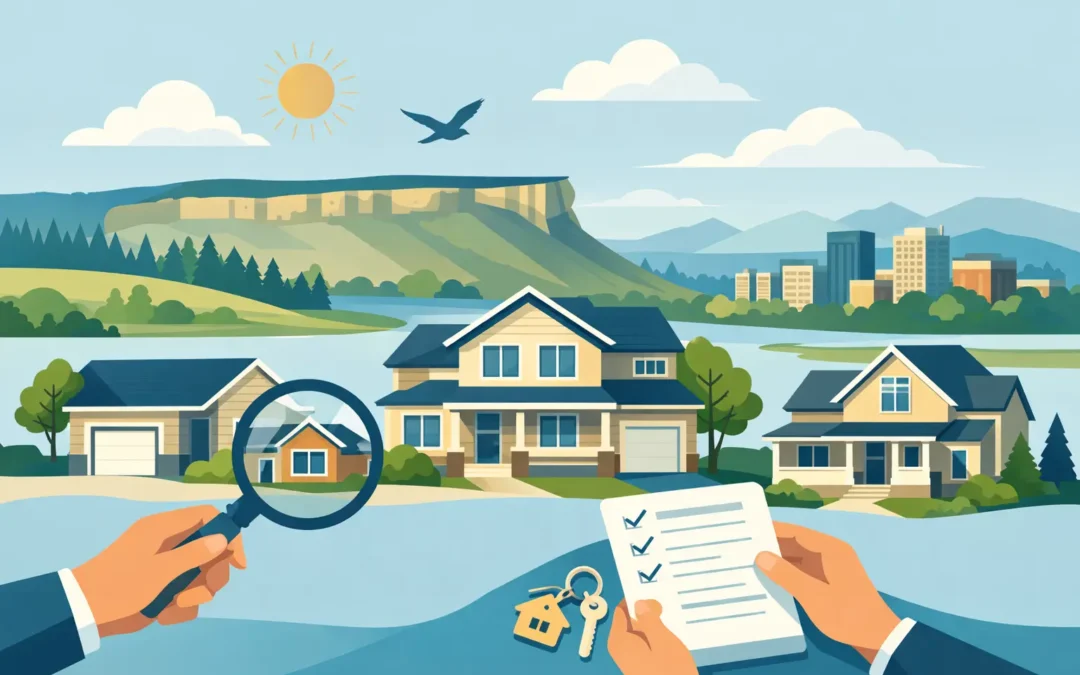
A listing can tell you a home has three bedrooms, two baths, and a two-car garage. It cannot tell you how the afternoon light lands in the living room, whether the route to work fits your routine, or how a particular block feels after a Montana snowstorm. When you search Billings Montana homes for sale, the goal is not simply to find a property that checks boxes. It is to find a place that works for your budget, your plans, and your everyday life.
Billings gives buyers a wide range of possibilities, from established neighborhood homes and low-maintenance condos to new construction, acreage, and properties on the edge of town. That variety is a strength, but it also means a focused search and sound local guidance can save time, reduce surprises, and help you make a confident offer when the right home appears.
Start With the Budget Behind the Search
The purchase price is the starting point, not the full cost of owning a home. Before setting alerts or scheduling showings, get clear on a monthly payment range that feels comfortable for your household. A lender can help estimate principal, interest, property taxes, homeowners insurance, and, when applicable, mortgage insurance or homeowners association dues.
Your down payment matters, but it is not the only cash figure to plan for. Buyers should also account for earnest money, inspection costs, appraisal fees, closing costs, moving expenses, and a reasonable reserve for repairs or furnishings after closing. A home that is well within your approved loan amount can still strain the budget if its upkeep, utilities, or association costs are higher than expected.
It also helps to separate your maximum approval from your preferred payment. The difference can create breathing room for changes in income, family needs, travel, maintenance, or the simple realities of settling into a new home. Buyers who know their financial boundaries can act quickly without feeling pressured to stretch too far.
Billings Montana Homes for Sale Come in Many Forms
A productive search begins with deciding what is essential, what is preferred, and what can be changed later. Location, lot size, commute, school considerations, number of bedrooms, accessibility, and layout often belong in the essential category. Paint color, landscaping details, and some finishes may be easier to update over time.
Established Homes and Neighborhood Character
Older homes can offer mature trees, established streets, distinctive architecture, and locations close to familiar Billings amenities. They can also come with systems that deserve a closer look. Roof age, electrical panels, plumbing materials, windows, drainage, foundation condition, and heating and cooling equipment are all worth evaluating during the inspection process.
Age alone is not a problem. A well-maintained older home may be a strong choice, while a newer home can still have deferred maintenance or construction issues. The key is understanding the property’s condition and budgeting realistically for its next phase of ownership.
New Construction and Recently Built Homes
Newer properties can appeal to buyers looking for contemporary layouts, energy-efficient features, and fewer immediate projects. Some builders may offer incentives, design choices, or preferred financing options. Those benefits should be weighed against the full contract terms, timeline, lot location, landscaping allowances, and any costs not included in the advertised base price.
Even with new construction, an independent inspection is often a practical decision. A new home is still a complex structure with many components, and an inspection gives you an extra set of trained eyes before closing.
Condos and Low-Maintenance Living
A condominium can be a good fit for buyers who want less exterior maintenance, a central location, or a more manageable footprint. Review the homeowners association documents carefully. Monthly dues, insurance coverage, reserve funds, rules, rental restrictions, pet policies, and planned assessments can affect both your monthly costs and long-term flexibility.
Low-maintenance does not always mean low-cost. It means maintenance is handled differently, often through shared responsibilities and association fees. Understanding that trade-off before making an offer is essential.
Acreage, Land, and Rural-Style Properties
Homes with extra land can provide privacy, room for animals, workshops, equipment, or a quieter setting. They also require questions that may not arise with an in-town property. Ask about well and septic systems, road access, easements, fencing, flood considerations, water rights where relevant, zoning, covenants, and the practical cost of maintaining the land.
A property outside the city may be exactly what you want, but the commute, winter access, internet availability, and ongoing maintenance need to work for you year-round, not only on a sunny showing day.
Search by Daily Life, Not Just a Map Pin
A neighborhood search is more useful when it starts with how you live. Think about your commute, preferred grocery stores, parks, medical care, recreation, restaurants, and the people or places you visit most often. Visit prospective areas at different times when possible. Morning traffic, evening activity, and weekend noise can paint a more complete picture than one quick drive-by.
Billings buyers also benefit from paying attention to the property itself in relation to weather. Check driveway slope, drainage patterns, garage access, snow storage, wind exposure, shade, and the condition of exterior surfaces. These details may not be the reason you choose a home, but they can shape your comfort and maintenance routine over the years.
If schools are part of your decision, confirm current boundaries and available programs directly with the appropriate district. Boundaries and policies can change, and a listing description should never be your only source for a major decision.
Read Listings With a Buyer’s Eye
Online listing tools are an excellent way to compare price, square footage, bedrooms, bathrooms, lot size, property type, and status. Use them to narrow your choices, then look beyond the headline features. Photos can make a room feel larger or brighter than it is. A virtual tour can help, but it cannot replace walking through a home and noticing storage, layout flow, condition, and surrounding properties.
Pay close attention to listing remarks that mention recent updates, seller disclosures, exclusions, leased equipment, covenants, or buyer incentives. A price reduction may signal an opportunity, but it may also reflect condition, competition, timing, or a seller’s need to move. Context matters more than any single data point.
It is also wise to compare homes by effective value rather than price alone. A slightly higher-priced home with a newer roof, updated mechanical systems, and a functional layout may represent a better fit than a lower-priced home requiring major work. On the other hand, a fixer-upper may be worthwhile if you have the budget, time, and appetite for renovation.
Make an Offer That Matches the Property and the Market
When you find the right home, an offer involves more than the number on the first page. Price, financing, earnest money, closing date, inspection terms, appraisal considerations, possession, and requested concessions all shape the offer’s strength and your protection as a buyer.
There is no single best strategy for every Billings home. A move-in-ready property with strong interest may call for prompt, clean terms. A home that has been available longer or needs work may leave more room for negotiation. Your REALTOR® can help you assess comparable sales, current competition, seller priorities, and terms that fit your situation.
Avoid waiving protections simply because a market feels competitive. Some buyers may choose to modify contingencies after understanding the risks, but that choice should be deliberate. An inspection contingency, for example, can reveal health, safety, structural, or system concerns that are expensive to address. A clear plan is better than a rushed promise.
Use Inspections and Appraisal as Decision Tools
The inspection period is your opportunity to understand the home in greater detail. Attend the inspection if you can. Ask the inspector to explain significant findings, the likely urgency of repairs, and routine maintenance items. Not every issue calls for a request to the seller. Homes are not expected to be perfect, and focusing on material concerns keeps negotiations practical.
The appraisal serves a different purpose. It supports the lender’s assessment of value for the loan. If an appraisal comes in below the contract price, the path forward depends on the contract and the parties involved. Buyers and sellers may renegotiate, the buyer may bring additional funds if appropriate, or another solution may be considered. Knowing these possibilities before writing an offer helps prevent confusion later.
Build a Team Before You Need One
A smoother purchase usually comes from having the right people ready early: a knowledgeable local lender, an experienced inspector, insurance guidance, and a trusted real estate professional. For properties with acreage, commercial elements, complex improvements, or unusual financing needs, additional specialists may be appropriate.
The Real Estate Hub helps buyers bring these moving parts together with local market insight, responsive REALTOR® representation, and practical support from search through closing. The right home search should feel organized, not overwhelming.
Keep your criteria clear, ask direct questions, and give yourself permission to walk away from a property that does not fit. The best next move is often simple: refine your search around the life you want to build, then be ready when the home that supports it comes along.