
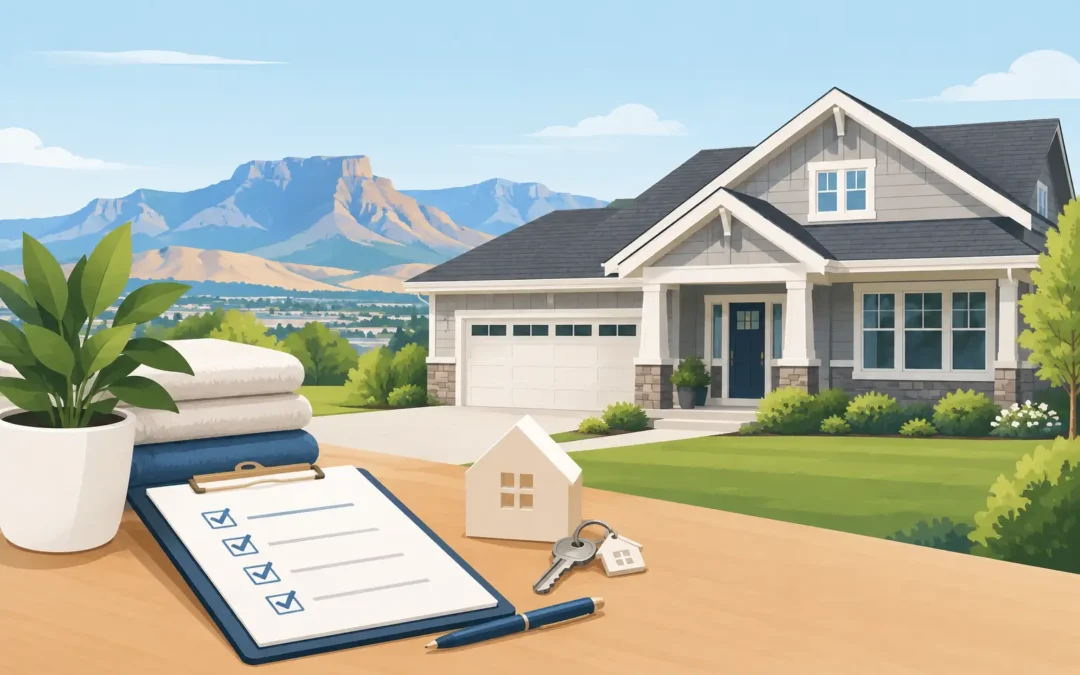
A successful sale often starts weeks before the listing goes live. To prepare your home for sale in Billings, focus first on the improvements buyers will notice, the pricing strategy the market will support, and a presentation that helps people picture life in the home. You do not need to renovate every room. You need a thoughtful plan that protects your budget and puts your property in its best light.
1. Start With a Billings-Specific Pricing Conversation
Preparation decisions should follow pricing, not the other way around. Before spending money on paint, flooring, or landscaping, ask a local REALTOR® for a current home value consultation. Recent sales in your neighborhood, competing listings, lot size, home condition, and location all affect what buyers may be willing to pay.
A project that makes sense for a higher-priced home in a sought-after subdivision may not deliver the same return in another part of Billings. The same is true for acreage, ranch properties, condos, and investment homes. A local review helps separate repairs that support market value from upgrades that may be more personal than profitable.
Pricing also shapes your timeline. If you need to sell before buying another home, moving out of state, or closing on land or commercial property, your agent can help you weigh price, preparation scope, and likely market exposure together.
2. Handle Repairs Buyers Can See and Inspectors Can Find
Buyers are usually more comfortable with cosmetic updates than they are with signs of deferred maintenance. A dripping faucet, loose handrail, cracked windowpane, damaged roof shingle, or furnace that has not been serviced can create doubt before an offer is even written.
Walk through the home as if you were seeing it for the first time. Test doors, lights, outlets, faucets, appliances, garage doors, and smoke detectors. Look for water staining around windows, ceilings, tubs, and sinks. In Billings, it is also wise to pay attention to the roof, gutters, exterior caulking, foundation drainage, and heating system. Our weather can make small exterior issues feel more significant to a buyer.
You do not have to guess which repairs deserve attention. A pre-listing inspection can be useful for homes with known maintenance concerns or for sellers who want fewer surprises during negotiations. It is not necessary for every property, but it can give you time to address issues on your schedule rather than under contract deadlines.
3. Make the First Impression Count Outside
Buyers often form an opinion before they reach the front door. Curb appeal matters because listing photos, drive-by visits, and showings all begin at the street.
Start with simple, visible work: clear weeds, trim shrubs, remove dead branches, sweep walkways, clean windows, and make sure house numbers are easy to read. Repair loose fencing and touch up peeling paint where needed. In warmer months, mow regularly and define planting beds. In winter, keep the driveway, sidewalk, and entry safely cleared of snow and ice.
A new front-door color can be effective, but it is not always needed. A clean door, working porch light, fresh welcome mat, and tidy entry often make the stronger impression. For rural, farm, or acreage properties, extend that same approach to gates, access roads, outbuildings, and areas buyers will likely inspect.
4. Edit Each Room Before You Stage It
Decluttering is not about making your home look empty. It is about helping buyers understand the size, storage, and purpose of every space. Packed shelves, oversized furniture, and crowded countertops can make even a well-kept home feel smaller.
Begin by removing personal photos, excess decor, off-season clothing, and anything you will not need while the home is on the market. Clear kitchen counters except for a few intentional items. Organize closets, cabinets, the pantry, and the laundry area. Buyers open doors, and orderly storage sends a reassuring message about the home’s care.
Then consider furniture placement. Rooms should have an obvious function. If a spare bedroom currently serves as an office, storage room, and workout space, choose the purpose most likely to appeal to your expected buyer. Open walking paths and let natural light reach the room.
Physical and virtual staging can both be helpful. Physical staging is often worthwhile when a home is vacant, unusually shaped, or has rooms that need definition. Virtual staging can help buyers visualize potential in online photos, particularly in vacant spaces. Your marketing plan should match the property, price range, and likely buyer pool.
5. Use Neutral Updates Where They Have Real Impact
Fresh paint remains one of the most practical ways to prepare a home for sale in Billings. Neutral, warm-toned colors help buyers focus on the rooms instead of the previous owner’s style. Touch up scuffed baseboards, patch nail holes, and repaint bold accent walls if they dominate the space.
Do not assume every update requires a full remodel. Replacing a dated light fixture, updating cabinet hardware, professionally cleaning carpet, or refinishing worn flooring may be enough to improve the overall impression. Kitchens and bathrooms attract attention, but an expensive renovation shortly before listing is not automatically the right choice.
It depends on condition and competition. If nearby homes offer updated kitchens at similar prices, selective improvements may be sensible. If your home is likely to be priced for its original condition, a clean and well-maintained presentation may be the better financial decision.
6. Clean for Photos, Then Clean Again for Showings
Listing photos create the first showing for many buyers. Before photography, clean windows, mirrors, floors, appliances, bathrooms, and ceiling fans. Replace burned-out bulbs and use consistent lighting where possible. Put away pet bowls, litter boxes, cords, wastebaskets, and refrigerator magnets.
Once the home is active, create a simple showing routine. Make beds, clear counters, open blinds, turn on lights, and take pets with you when possible. Keep a basket or tote ready for last-minute items such as mail, chargers, children’s toys, and pet supplies.
A lived-in home does not need to feel like a hotel. It does need to feel easy to maintain and pleasant to tour. Cleanliness is one of the few improvements every buyer notices, regardless of their budget or style preferences.
7. Prepare the Details That Support a Confident Offer
Gather the documents a buyer may ask about: utility averages, appliance manuals, receipts for major repairs, warranties, permits, surveys, and information about homeowners associations if applicable. If you have replaced the roof, updated the furnace, installed a water heater, or completed other major work, documentation can reinforce the value of the home.
Be ready to discuss what stays with the property. Mounted televisions, security equipment, shelving, window treatments, and outdoor structures can cause unnecessary confusion if expectations are not clear. Your REALTOR® can help you identify items that should be addressed in the listing or purchase contract.
If you are selling a property with a well, septic system, shop, irrigation, leased equipment, or agricultural features, preparation may require additional records and local expertise. Those details are part of the property’s value, and they deserve clear presentation from the beginning.
8. Plan for Access and Negotiations Before You List
The best-prepared home still needs buyers to see it. Decide in advance how you will handle showing requests, work schedules, children, pets, and valuables. Flexibility can increase the number of qualified buyers who get through the door, especially during busy periods.
You should also prepare emotionally for feedback. Not every comment reflects a defect in your home. Buyers may prefer a different layout, paint color, or neighborhood. What matters is whether feedback reveals a consistent concern about price, condition, or presentation. A responsive local agent can help you distinguish between one buyer’s preference and information worth acting on.
Selling is a practical process, but it is also a transition. Give yourself enough time to make smart choices rather than rushed ones. When your home is clean, well-priced, well-presented, and supported by clear local guidance, you can welcome buyers with confidence and focus on what comes next.